Weather in Kirksville is terrible except for fall, so I cope myself to stay busy. Outside
school,
I just sit at my desk and code. Right now, I’m working with my professor on making a SaaS web
program.
I’m working with my buddy Ali. Since my professor’s more into 3D modeling and rendering, he came
up
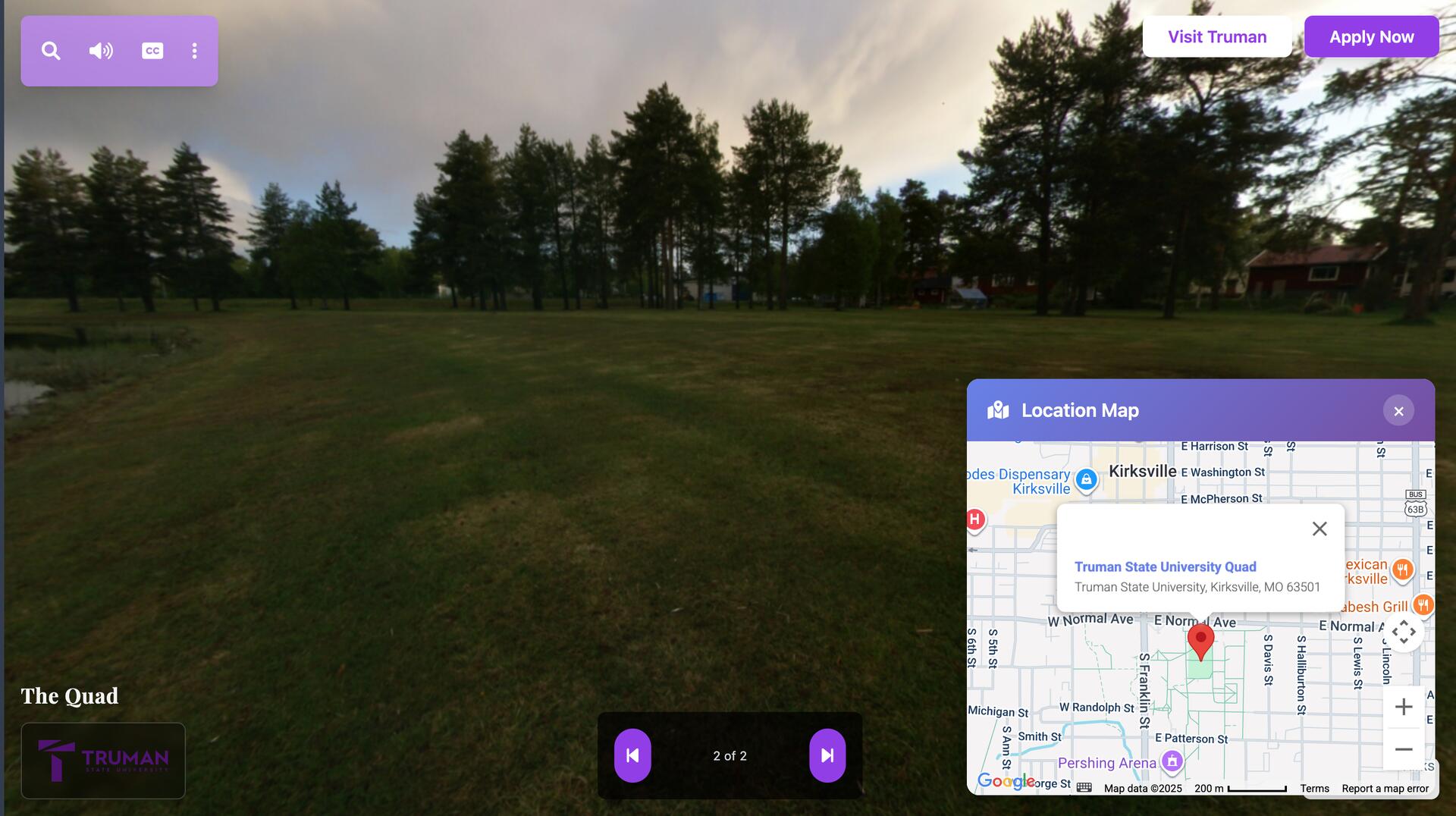
with a old tech minimal implementation of using skyboxes for a 3d world view. We applied the
concept
using three.js with webgl. To make it simple, it’s a system of viewpoint (the camera), the
material(solid), geometry(cube). You put the camera inside the cube, and render it to smooth the
edges, and it simulates a 3d world. It’s not an invention, but an idea inspired from early video
games (the world was just a cube!). We’ve added a simple google map api, voice narration and
still
working on annotations within the skybox render. The crazy thing i realised here is how the
coordinates in this three.js cube is rather infinity, so the point placements are not absolute.
The fall of 2025 was beautiful. Me and my friends went to a big hackathon to Kansas City, and
had
a 24 hour project build session. We formed a team of three, each given a certain task and
responsibilities, to make a digital journal platform with AI integration. I found out that
journaling
is super helpful to ease down the overwhelmed feeling we get. AI bots are so common these days,
so we decided to add that within the main page. A statistical graph representation showing the
captured database of journal entries, emotion entered, and later coding it to a CSS integrated
flower triggers. To simplify, while I finish my journal entry and share how I feel, a blissful
flower gets bloomed in the ground background. The allocation of varied flowers make up a garden.
This digital garden is just so lively, as it is the accumulation of your feelings.
Winter in Kirksville gets really wild. To survive during the winter period, I rather stay cozy
inside my apartment learning something new. During winter 2025, I deep studied a few Data
Structures
and Algorithm concepts, to later building a project with my friends virtually. Dijkstra and A*
graph
algorithm are two complex DSA terms, so we decided to implement that in a learn-as-we build
approach.
We named it SafeWalk Plus, that uses machine learning to find the risk of each route taken. We
all
understand how getting from one point to another works in a mapping system. But behind that
simple
system, has complex steps (algorithms) that calculates every single point on the route taken,
with
later having the best efficient route destination. Dijkstra and A* has rather complex
calculations,
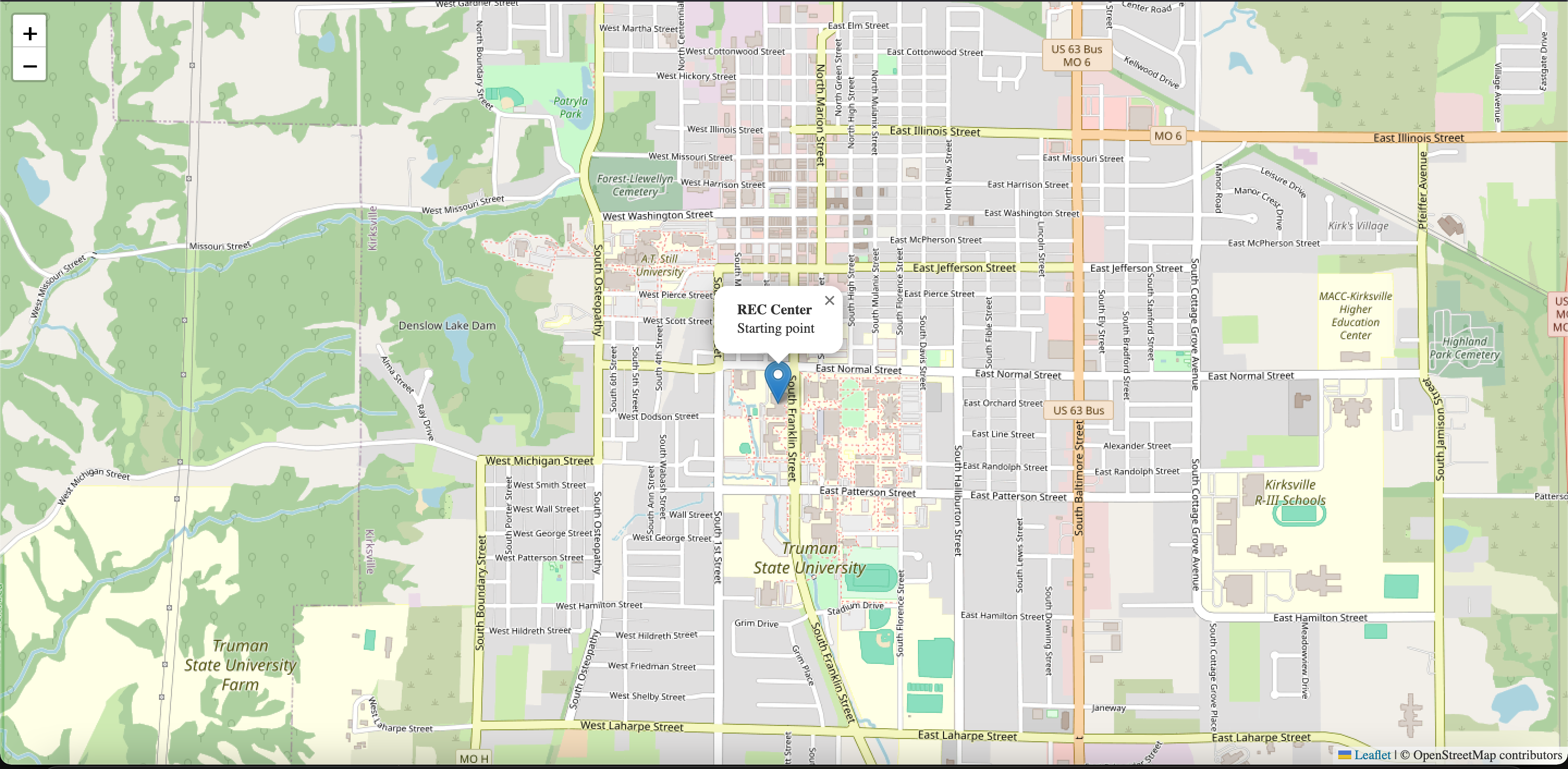
but they work in a similar way. The screenshot shows an outer JavaFX map, which still needs a
lot of
work to have working test cases with the algorithms. I’ll update this part, once I get back into
it.